Tarpon Springs Sailing Charter on The Apollo https://youtu.be/oeXrb7JI74whttps://youtu.be/z8opPyi_d70
28 events found.
Events
Calendar of Events
|
Sunday
|
Monday
|
Tuesday
|
Wednesday
|
Thursday
|
Friday
|
Saturday
|
|---|---|---|---|---|---|---|
|
1 event,
|
1 event,
|
1 event,
Identifying Biases Testimony by Chelle B. Click the Image to Learn about Identifying Biases |
1 event,
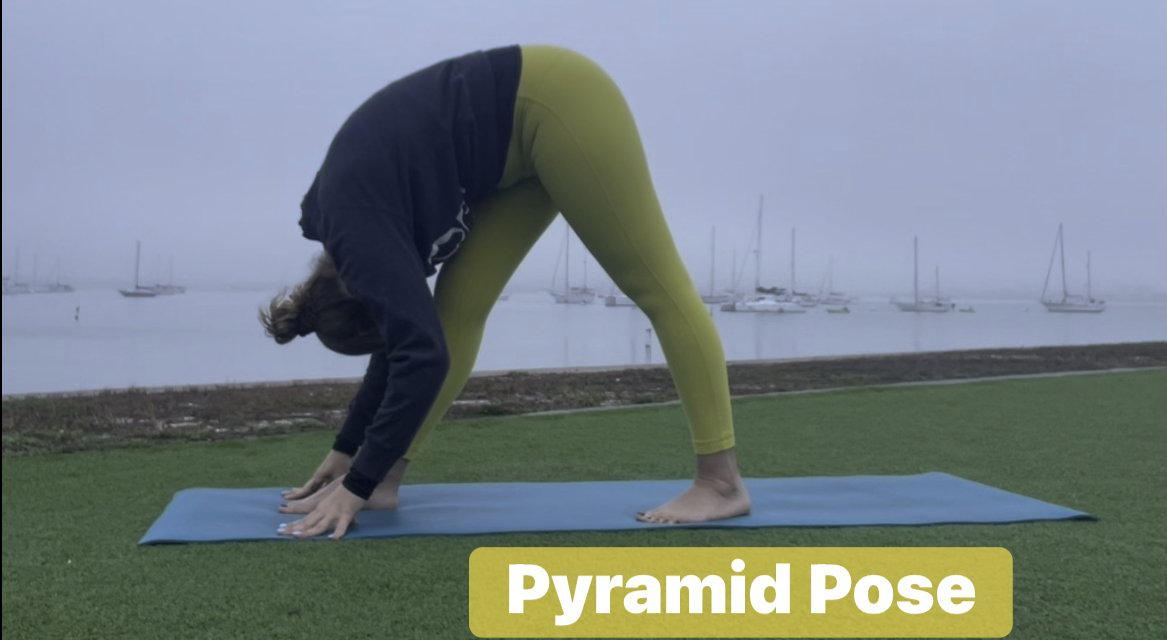
Yoga Pyramid Pose Pyramid Pose: A Powerful Standing Forward BendPyramid Pose, known as Parsvottanasana in Sanskrit, is a deep standing forward bend that combines strength, balance, and flexibility in one elegant posture. This intermediate yoga pose offers a wonderful stretch for the entire back of your body while building stability and focus.How To Do Pyramid PoseStart standing at the top of your mat, then step your left foot back about three to four feet. Keep both feet pointing forward with your hips squared toward the front of the mat. Ground down through both feet, keeping your legs straight but not locked. Inhale to lengthen your spine, then exhale as you hinge forward from your hips, bringing your torso down over your front leg. Your hands can rest on blocks beside your front foot, on your shin, or on the floor if you have the flexibility. Keep your spine long rather than rounding your back to go deeper.Amazing BenefitsPyramid Pose delivers a fantastic stretch to your hamstrings, calves, and hips, which is especially helpful if you sit for long hours during the day. The pose strengthens your legs and improves balance while teaching you to maintain stability in an asymmetrical position. It also gently stretches your spine and shoulders, helping to relieve tension that builds up from poor posture. Many people find this pose calming for the mind because the forward fold naturally has a soothing effect on the nervous system.Tips For BeginnersIf touching the floor feels impossible, don't worry. Use yoga blocks under your hands to bring the floor closer to you, allowing you to keep your spine long and straight. Bending your front knee slightly can also make the pose more accessible while you build flexibility. Keep your hips level and facing forward rather than letting them open to the side, even if it means you can't fold as deeply. Remember that alignment matters more than depth.Common Mistakes To AvoidThe biggest mistake people make in Pyramid Pose is rounding the spine to try to get their head closer to their leg. This defeats the purpose and can strain your back. Always prioritize keeping your spine extended, even if it means you stay more upright. Another common error is letting the back hip open up instead of keeping both hips squared forward. This might feel easier but reduces the effectiveness of the stretch and can create imbalance.When To PracticePyramid Pose works beautifully as part of a standing sequence in your yoga practice. It's excellent for warming up before deeper hip openers or for cooling down after more intense poses. You can also practice it on its own whenever you need to stretch tight hamstrings or release tension in your back and shoulders.This powerful pose reminds us that strength and flexibility go hand in hand, and that sometimes the most challenging positions teach us the most about patience and listening to our bodies. Hold each side for five to ten breaths, and notice how your body gradually opens up with regular practice. |
0 events,
|
1 event,
Facts on Identifying Biases Click here to read all facts about Identifying Biases |
1 event,
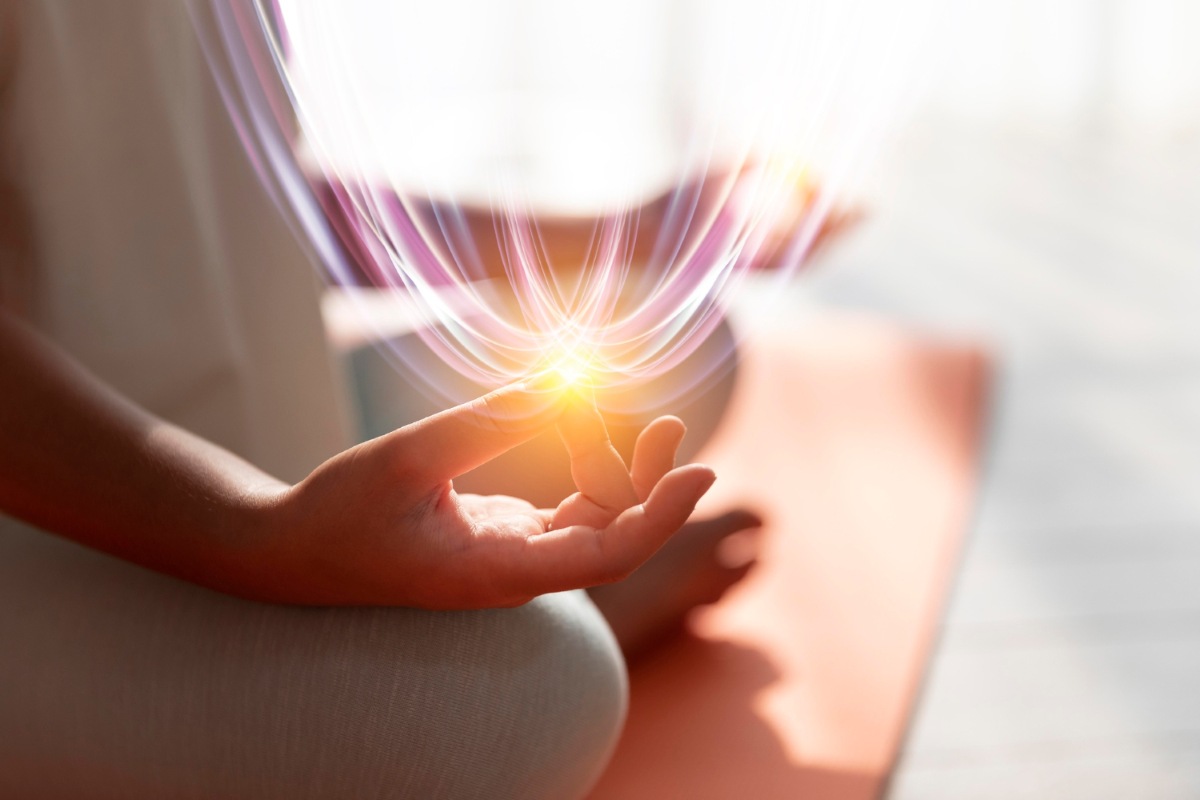
Meditation Benefits for Mind, Body & soul Click here to read all about Meditation and its benefits |
|
1 event,
Jolly Trolly Clearwater Beach https://youtube.com/shorts/nl4xg2It-fs?feature=share |
1 event,
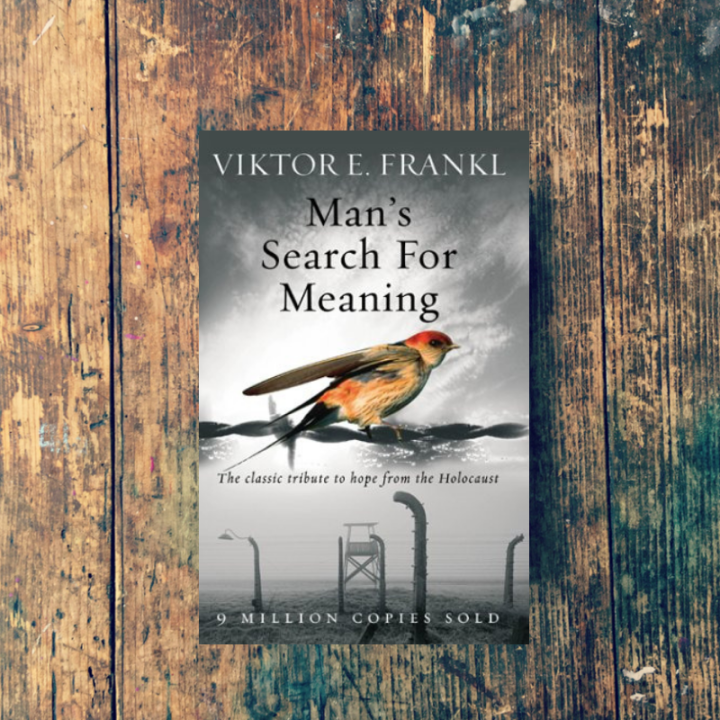
Man's Search for Meaning - Book Review by Chelle B Man’s Search for Meaning is one of those books that doesn’t just inform you—it sits with you. Viktor Frankl, a psychiatrist and Holocaust survivor, shares his experiences in Nazi concentration camps and the psychological insights he gained while enduring unimaginable suffering. At the heart of the book is a powerful truth: even when everything is taken from us, we still have the freedom to choose our attitude and find meaning in our suffering.Frankl observed that those who survived the camps were not necessarily the strongest physically, but often the ones who held onto purpose—love for someone, hope for the future, or a reason to keep going. From this, he developed logotherapy, a therapeutic approach centered on the belief that the primary human drive is the search for meaning. When life feels unbearable, meaning becomes the anchor.For those in recovery, this message is deeply resonant. Addiction often grows in the absence of meaning, connection, or hope. Frankl’s work reminds us that pain does not have to be the end of the story—it can become part of our transformation. Recovery isn’t just about removing substances; it’s about discovering why we want to live, heal, and stay present. Meaning gives suffering context and turns survival into purpose.What stands out most to me is Frankl’s reminder that we cannot always control what happens to us, but we can choose how we respond. In recovery, this choice shows up daily—in how we face cravings, sit with emotions, and take responsibility for our healing. Man’s Search for Meaning speaks to the resilience of the human spirit and offers hope that even in the darkest moments, purpose can be found. For anyone walking a recovery path, this book is a powerful reminder that healing begins when we reconnect with meaning—and with ourselves. |
1 event,

Ethics A Testimony by Chelle B. Click here to read the Ethics Testimony https://youtu.be/tZc3a3rDmTg |
1 event,
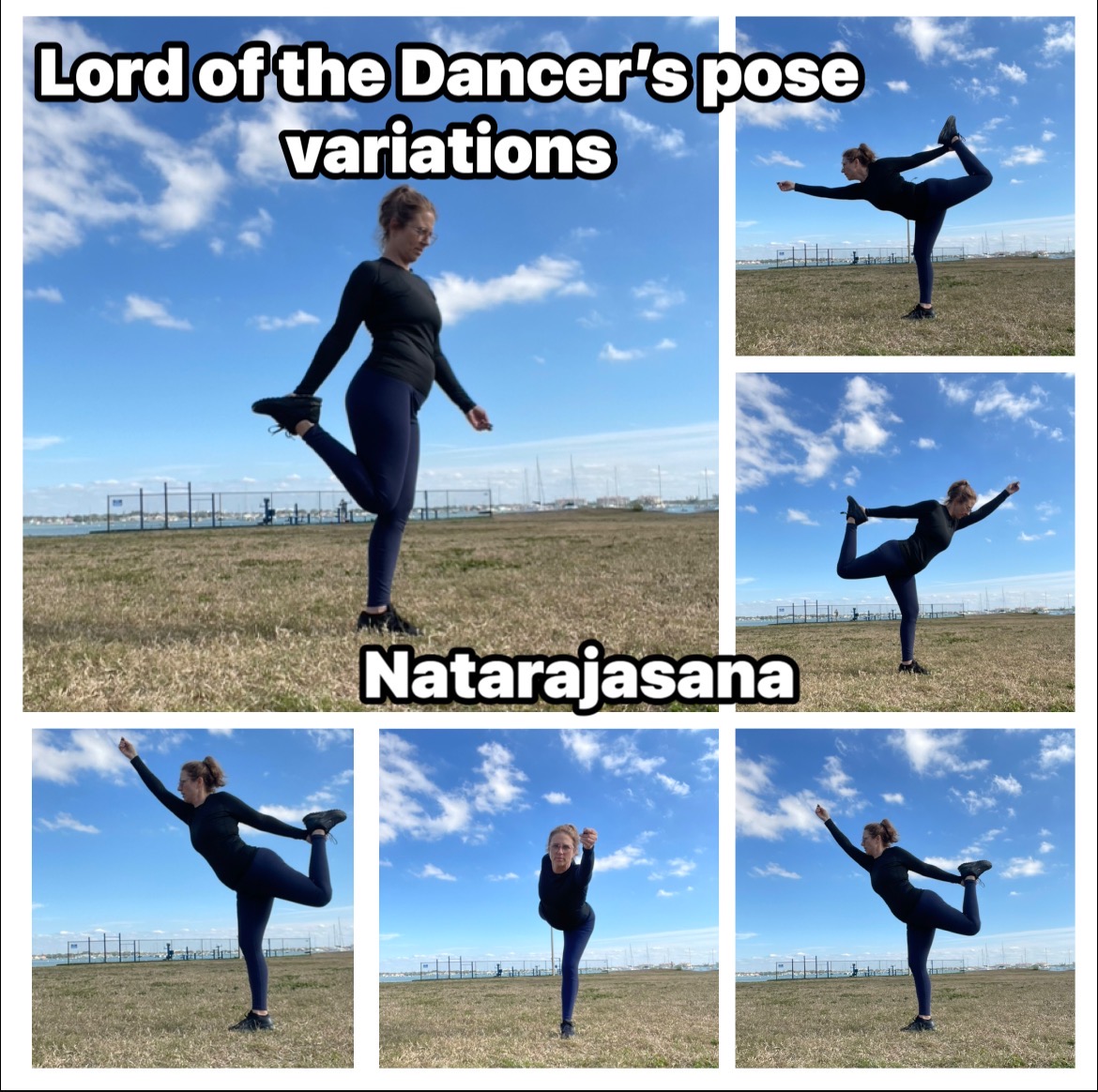
Lord of the Dancer's Pose: Natarajasana - by Sarah G Natarajasana, or Lord of the Dancer Pose, is a graceful standing balance named after Nataraja, the dancing form of Lord Shiva. This elegant posture combines strength, flexibility, and balance, creating a beautiful arc that resembles a dancer in motion.How to PracticeStand on your left foot and bend your right knee, reaching back to grasp your right ankle with your right hand. Ground firmly through your standing leg as you begin lifting your right foot behind you, pressing it into your hand. Simultaneously reach your left arm forward and up. Your chest lifts naturally as your back leg rises, creating a bow shape. Keep your standing knee soft, engage your core, and fix your gaze on a steady point ahead for balance.Key BenefitsThis pose strengthens your standing leg, ankles, and core while opening your chest, shoulders, and hip flexors. It improves spinal flexibility, enhances balance, and sharpens mental focus. The graceful form cultivates body awareness and confidence while providing a meditative quality that calms the mind even during physical challenge.Beginner TipsPractice near a wall for support or use a yoga strap around your lifted foot if reaching is difficult. Start small, lifting your leg just a few inches rather than forcing a deep backbend. Focus on lengthening your spine rather than simply bending backwards. Keep your hips level and facing forward. Remember, wobbling is completely normal and part of learning balance poses.Avoid These MistakesDo not collapse into your lower back. Instead, lift your chest and lengthen your spine before deepening the pose. Never lock your standing knee. Keep a slight bend for joint safety. Avoid looking down, which disrupts balance. Choose a focal point at eye level and maintain steady breathing throughout.This powerful pose honors the cosmic dance of creation and reminds us that with practice and patience, beautiful things that once seemed impossible become achievable. |
0 events,
|
1 event,
|
1 event,
Self Care Printable - Journal & Planner Click to Download your very own Self Care Journal |
|
1 event,
|
1 event,
|
1 event,
Current Events in MN Testimony Click here to read the complete Testimony https://youtu.be/XdycH_mE5-I |
1 event,
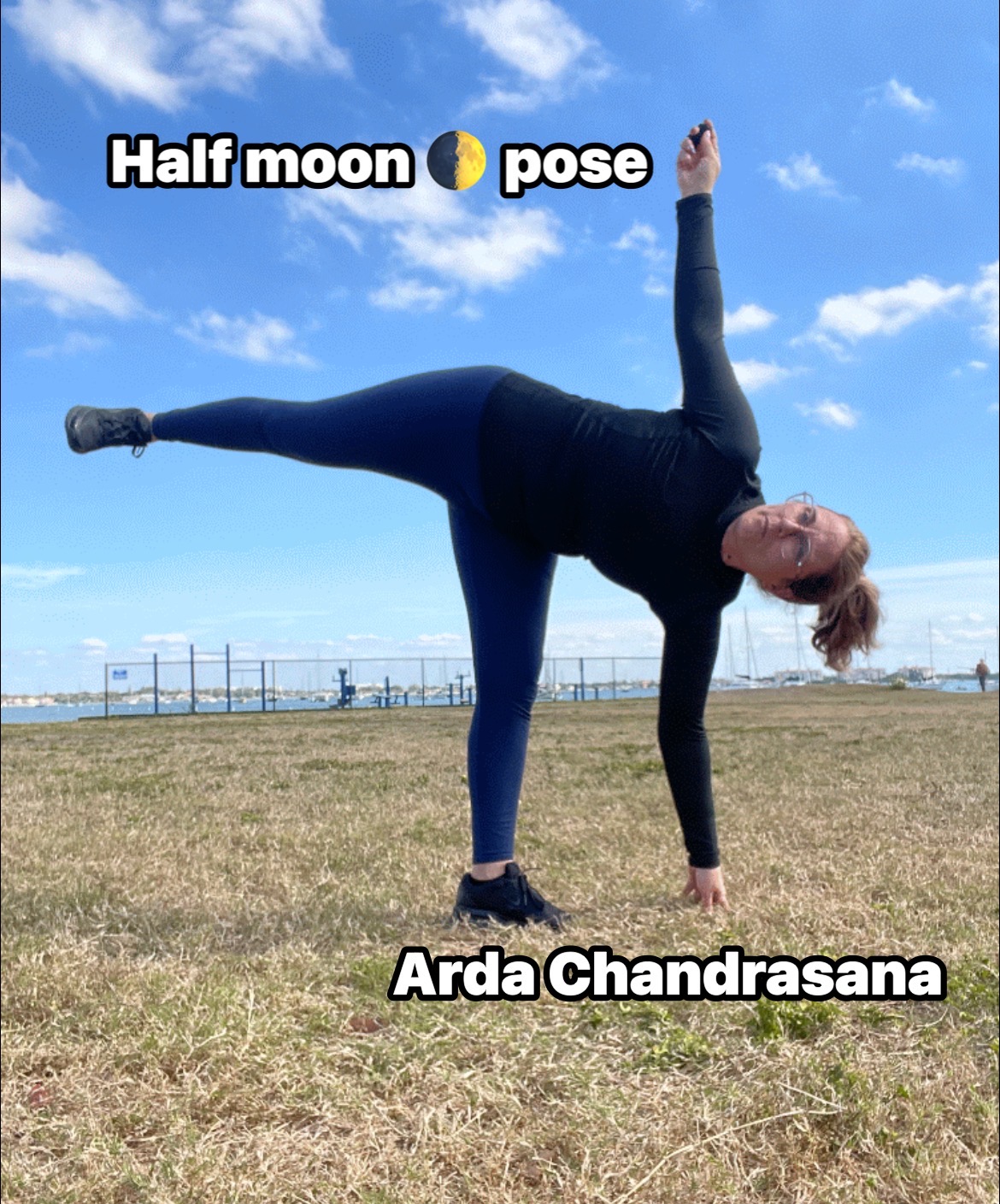
Half Moon Pose Yoga Half Moon Pose, or Ardha Chandrasana, is a standing balance where you support yourself on one leg while lifting the other leg and opening the chest and hips to the side. It builds strength, balance, and focus all at once. Key benefits include stronger legs and core, better hip and chest mobility, and improved concentration and body awareness. To practice simply, start from a side‑angle or Triangle stance, place your front hand on the floor or a block ahead of your foot, shift weight onto the front leg, lift the back leg to hip height, and open your torso and top arm toward the ceiling. If you have serious back, hip, or balance issues, use a block, keep a slight bend in the standing knee, and work under the guidance of a trained teacher. |
0 events,
|
1 event,
Current Events in MN Government: Facts Click here to read the complete Testimony https://youtu.be/XdycH_mE5-I |
1 event,
|
|
1 event,
|
1 event,

Brenda's Artist of the Month - L.E.Fen Now on Display at Brenda McMahon Gallery |
1 event,
Volunteering Testimony Click here to read the complete Volunteering Testimony by Chelle B. https://youtu.be/bElaAKky8R0 |
1 event,
|
0 events,
|
1 event,

Volunteering Fact Friday Click here to read the complete Fact Friday - Volunteering by Chelle B. |
1 event,
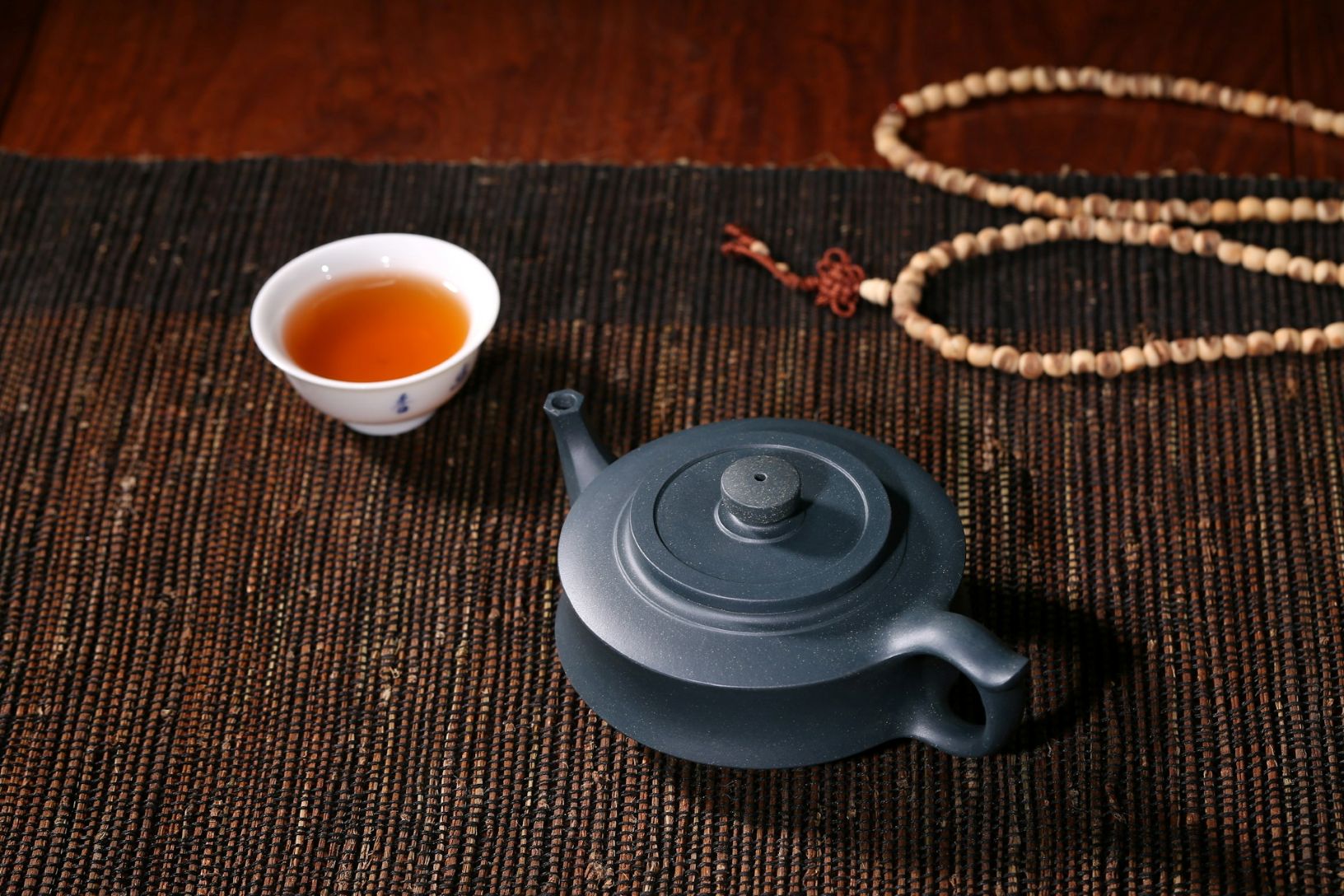
Love your womb tea - Holistic Recipe 1 tsp red raspberry leaf (tones and strengthens the uterus)1 tsp nettle (rich in minerals like iron and many more)1 tsp dried hibiscus (cleansing, vitamin C, and supports circulation)1 tsp chamomile (soothing, calming, and anti-inflammatory)½ tsp ginger (stimulates blood flow and reduces cramping)*Add all herbs in a tea bag or tea infuser (coffee press works great)*Warm/hot water - not boiling. Let steep for 4-6 hours, or overnight. This step is important for the minerals to come out of the raspberry leaves and nettle.*Add honey or raw agave for sweetness - By Breanna Dedeker, LADC |