What Are Ethics?
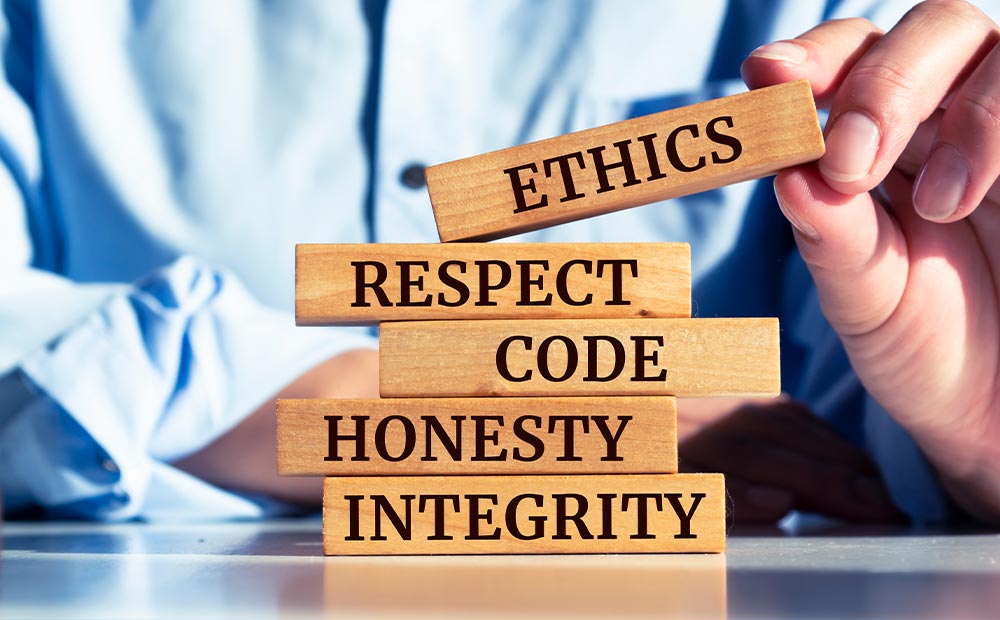
Ethics are the moral principles, values, and guidelines that help individuals, organizations, and societies determine what is right, fair, responsible, and respectful.
They shape how people make decisions, how professionals act, and how communities function.
In simple terms:
➡ Ethics are the standards for how we should behave toward ourselves, others, and the world.
Why Ethics Are Important
Ethics serve several critical purposes:
1. Protect the Safety and Rights of Others
Ethical behavior helps prevent harm, exploitation, and injustice.
2. Promote Fairness and Respect
Good ethics ensure people are treated with dignity, equity, and honesty.
3. Build Trust
Strong ethical standards create dependable relationships—between individuals, clients and professionals, businesses and the public, and governments and citizens.
4. Support Responsible Decision-Making
Ethics help guide choices in complex or emotionally charged situations.
5. Strengthen Professional Integrity
Professions rely on ethics to maintain credibility, competence, and accountability.
6. Encourage Social Stability
Ethical societies function more peacefully and cooperatively.
Why Ethics Matter
Ethics help ensure:
-Respect and dignity for all people
-Transparency and accountability
-Fair and consistent treatment
-Trust in professional and community relationships
-Protection of vulnerable individuals
-Responsible decision-making
In short:
➡ Ethics are the rules and values that guide how people should behave. “The Golden Rule”
Different Types of Ethics
1. Personal Ethics
Definition:
Individual moral values and beliefs that guide personal behavior and decisions.
Examples:
- Choosing honesty even when lying would be easier
- Treating others with respect
- Following through on commitments
Values and beliefs that guide individual behavior.
2. Professional Ethics
Definition:
Standards and guidelines set by a profession to ensure proper conduct, consistency, and protection of the public.
Examples:
- Confidentiality in healthcare and counseling
- Avoiding dual relationships in therapy
- Reporting unethical behavior in the workplace
- Adhering to the professional code of conduct
Rules and expectations set by a profession to ensure safe and responsible practice.
3. Social Ethics
Definition:
Shared moral values within a community or society that shape norms and expectations for behavior.
Examples:
- Respecting laws and public safety
- Treating people fairly regardless of background
- Promoting equality and human rights
Morals shared by communities or society as a whole.
4. Cultural Ethics
Definition:
Values, traditions, and moral beliefs that arise from a specific culture or group.
Examples:
- Respecting elders in certain cultural communities
- Collective decision-making in family-oriented cultures
- Rituals or traditions that guide moral behavior
Values rooted in cultural traditions, heritage, and community expectations.
5. Clinical/Medical Ethics
Definition:
Ethical principles governing healthcare providers in their treatment of patients.
Core Components:
- Autonomy: Respecting a patient’s right to make their own choices
- Beneficence: Acting in the patient’s best interest
- Nonmaleficence: “Do no harm”
Examples:
- Obtaining informed consent
- Maintaining confidentiality
- Avoiding unnecessary procedures
6. Environmental Ethics
Definition:
Moral principles guiding how humans interact with the natural world.
Examples:
- Reducing pollution
- Supporting sustainable practices
- Protecting wildlife and natural resources
Principles that guide how humans treat the natural world.
Common Ethical Problems in Society Today
1. Dishonesty and Lack of Accountability
Lying, manipulating facts, or refusing responsibility for harmful actions.
2. Corruption and Abuse of Power
Leaders, institutions, or individuals exploiting their authority for personal gain.
3. Discrimination and Inequity
Unfair treatment based on race, gender, identity, class, or other factors—often reinforced by systems.
4. Misinformation and Manipulation
Spreading false information, especially online, affecting elections, health decisions, and public trust.
5. Breach of Privacy
Misuse of personal data, over-surveillance, and disregard for confidentiality.
6. Exploitation in the Workplace
Unfair wages, unsafe conditions, boundary violations, or unethical business practices.
7. Environmental Neglect
Ignoring environmental responsibilities such as pollution, overconsumption, or destruction of natural resources.
8. Conflicts of Interest
Making decisions that benefit oneself at the expense of others or at the expense of fairness.
9. Lack of Professional Boundaries
Especially in helping professions—blurring lines that protect clients and maintain trust.
10. Inconsistency in Ethical Standards
Different rules applied to different groups, leading to mistrust, injustice, and social division.
Conclusion
Ethics form the foundation of trust, fairness, and safety across all areas of life. Understanding what ethics are, the types that influence behavior, and the challenges society faces helps individuals and professionals make informed, responsible, and compassionate decisions.