In our fast-paced world filled with constant notifications, endless to-do lists, and daily pressures, finding moments of peace can feel nearly impossible. Meditation offers a simple yet profound solution that has been practiced for thousands of years across cultures worldwide. This ancient practice is now backed by modern science, proving what practitioners have known all along: regular meditation can transform your life in remarkable ways.
What Is Meditation Really About
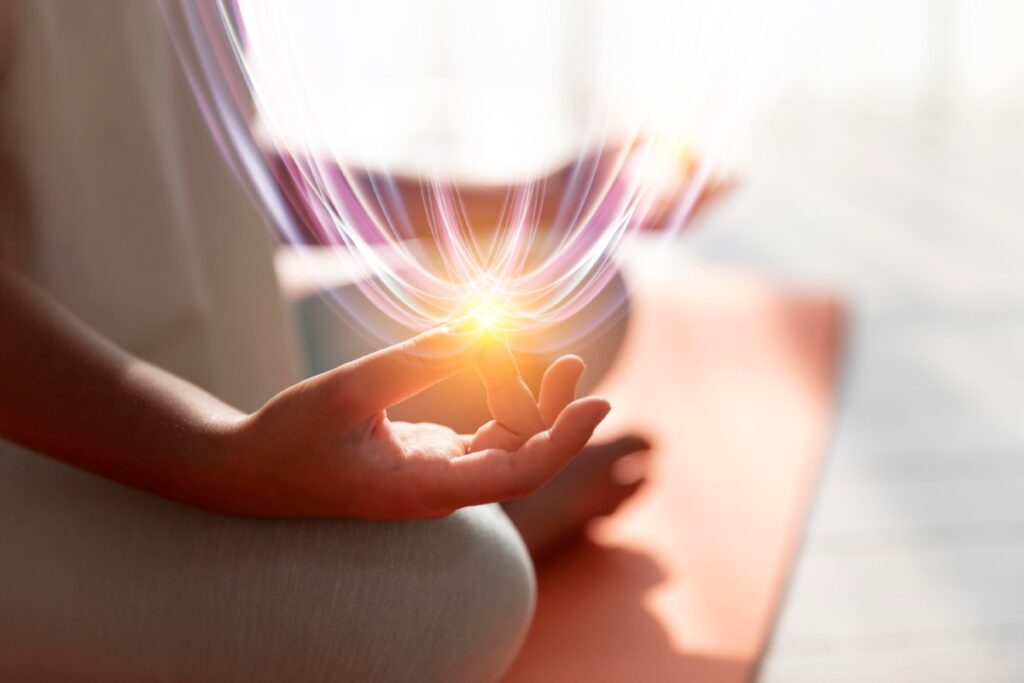
Meditation is the practice of training your mind to focus and redirect your thoughts. Contrary to popular belief, meditation isn’t about emptying your mind completely or achieving some mystical state. It’s simply about becoming aware of your thoughts and feelings without judgment, learning to observe them rather than getting swept away by them. Whether you sit quietly for five minutes or practice for an hour, meditation creates a space where you can step back from the chaos and reconnect with yourself.
Reduced Stress And Anxiety Levels
One of the most well-known benefits of meditation is its ability to significantly reduce stress and anxiety. When you meditate regularly, you activate your body’s relaxation response, which counters the harmful effects of chronic stress. Your heart rate slows down, blood pressure decreases, and stress hormones like cortisol drop to healthier levels. People who meditate consistently report feeling less overwhelmed by daily challenges and more capable of handling difficult situations with calm and clarity instead of panic and worry.
Better Emotional Health And Mood
Regular meditation practice can genuinely improve your overall emotional wellbeing and help you maintain a more positive outlook on life. Studies show that meditation increases activity in brain regions associated with positive emotions and decreases activity in areas linked to negative thinking. Many people find that after establishing a meditation routine, they experience fewer mood swings, feel more content, and have an easier time bouncing back from disappointments or setbacks. This emotional resilience becomes a valuable asset in navigating life’s ups and downs.
Enhanced Focus And Concentration
In an age of constant distractions, the ability to focus has become a superpower. Meditation is like strength training for your attention span. Just as you build muscle by lifting weights repeatedly, you strengthen your focus by bringing your wandering mind back to your breath or chosen focal point over and over during meditation. Over time, this practice translates into better concentration at work, improved memory, and the ability to stay present during conversations instead of mentally planning your next task.
Improved Sleep Quality
If you toss and turn at night with racing thoughts, meditation can be a game changer for your sleep. Evening meditation helps quiet the mental chatter that often keeps people awake, allowing your mind and body to naturally transition into rest mode. The relaxation techniques learned through meditation reduce the physical tension and mental anxiety that interfere with falling asleep. Many people find that just ten minutes of meditation before bed leads to falling asleep faster and experiencing deeper, more restorative sleep throughout the night.
Lower Blood Pressure And Heart Health
Your cardiovascular system benefits tremendously from regular meditation practice. Research shows that meditation can lower blood pressure as effectively as some medications for certain people. By reducing stress and promoting relaxation, meditation helps your blood vessels relax and function more efficiently. This decreased strain on your heart reduces the risk of heart disease, stroke, and other cardiovascular problems. Some doctors now recommend meditation as part of a comprehensive approach to managing heart health alongside proper diet and exercise.
Stronger Immune System Function
The connection between your mind and immune system is powerful, and meditation strengthens this relationship in your favor. Chronic stress weakens immunity, making you more susceptible to illnesses ranging from common colds to more serious conditions. Meditation reduces stress hormones and increases the production of antibodies and immune cells that fight off infections. Regular meditators often notice they get sick less frequently and recover more quickly when they do catch something.
Pain Management And Relief
While meditation won’t magically cure chronic pain, it can significantly change your relationship with pain and reduce your suffering. Meditation teaches you to observe physical sensations without immediately reacting to them with fear or resistance. This acceptance and awareness can actually reduce the perceived intensity of pain. Many people with chronic pain conditions report needing less pain medication after incorporating meditation into their treatment plan. The practice helps break the cycle where pain causes stress, which then amplifies the pain sensation.
Increased Self-Awareness And Understanding
Meditation creates space for genuine self-reflection and helps you understand your thoughts, emotions, and behavioral patterns more clearly. Through regular practice, you start noticing the stories you tell yourself, the automatic reactions you have, and the beliefs that drive your actions. This heightened self-awareness is the first step toward positive change because you cannot change what you’re not aware of. Many people discover insights about themselves during meditation that help them make better decisions and live more authentically.
Better Relationships And Communication
When you’re more centered, calm, and self-aware, your relationships naturally improve. Meditation helps you respond thoughtfully rather than react impulsively during conflicts. You become a better listener because you’re truly present instead of planning what you’ll say next. The compassion and patience you develop on the meditation cushion extends to your interactions with family, friends, and colleagues. Many couples find that when both partners meditate regularly, they argue less and communicate more effectively.
Reduced Symptoms Of Depression
While meditation should never replace professional treatment for clinical depression, it can be a valuable complementary tool. Mindfulness meditation in particular has been shown to reduce rumination, which is the repetitive negative thinking that fuels depression. The practice helps you notice when your thoughts spiral downward and gives you techniques to gently redirect your attention. Many therapists now incorporate meditation-based approaches into their treatment plans because of the strong evidence supporting its effectiveness for mood disorders.
Enhanced Creativity And Problem Solving
Meditation clears mental clutter and creates space for fresh ideas and innovative solutions to emerge. When you’re constantly busy and distracted, your brain doesn’t have the quiet time needed for creative thinking. Regular meditation provides that mental breathing room where new connections can form and creative insights can surface. Many artists, writers, and business leaders credit their meditation practice with boosting their creativity and helping them approach challenges from new angles.
Slowed Aging And Cellular Health
Fascinating research shows that meditation may actually slow the aging process at a cellular level. Studies have found that regular meditators have longer telomeres, which are protective caps on chromosomes that naturally shorten as we age. Meditation also reduces oxidative stress and inflammation, both of which contribute to aging and disease. While meditation won’t make you immortal, it may help you age more gracefully and maintain better health throughout your later years.
Greater Sense Of Inner Peace
Beyond all the measurable health benefits, meditation cultivates something equally valuable: a deep sense of inner peace and contentment that doesn’t depend on external circumstances. Regular practitioners often describe feeling more grounded, less reactive to life’s inevitable ups and downs, and more connected to something larger than themselves. This inner stability becomes a refuge you can return to whenever life feels chaotic or overwhelming.
Improved Memory And Mental Clarity
Meditation has been shown to improve both working memory and long-term memory function. The practice increases blood flow to the brain and may even increase the thickness of certain brain regions involved in memory and learning. Many people notice they think more clearly, remember details better, and experience less mental fog after establishing a regular meditation routine. Students often find meditation particularly helpful during exam periods for retaining information and staying focused.
Better Digestion And Gut Health
The gut-brain connection is real, and meditation positively influences digestive health. Stress is a major contributor to digestive issues like irritable bowel syndrome, acid reflux, and stomach upset. By activating the relaxation response, meditation allows your digestive system to function optimally. Many people with chronic digestive problems experience relief after incorporating meditation into their daily routine, often noticing improvements that medications alone couldn’t provide.
Increased Compassion And Kindness
Certain types of meditation, particularly loving-kindness meditation, specifically cultivate compassion for yourself and others. But even general meditation practice tends to make people more empathetic and kind. When you’re less stressed and more centered, you naturally have more patience and understanding for others. This increased compassion improves relationships, reduces judgment, and creates a more positive impact on the world around you.
Getting Started With Your Meditation Practice
The beauty of meditation is that you need absolutely nothing to begin except a few minutes and a willingness to try. Start with just five minutes a day, finding a quiet spot where you can sit comfortably. Simply focus on your breath, noticing the sensation of breathing in and out. When your mind wanders, which it definitely will, gently bring your attention back to your breath without criticizing yourself.
There’s no such thing as being bad at meditation. Having thoughts during meditation doesn’t mean you’re doing it wrong. That’s completely normal and happens to everyone, even experienced meditators. The practice is in noticing when your mind has wandered and bringing it back, over and over again.
You can use guided meditation apps, attend local meditation classes, or simply sit in silence on your own. Experiment with different styles like mindfulness meditation, loving-kindness meditation, body scan meditation, or transcendental meditation to find what resonates with you. Some people prefer morning meditation to start their day centered, while others find evening meditation helps them unwind.
Making Meditation A Lasting Habit
Consistency matters more than duration when building a meditation practice. Five minutes every single day will benefit you more than an hour once a week. Try connecting your meditation to an existing habit, like having your morning coffee or right after brushing your teeth at night. This makes it easier to remember and helps meditation become automatic rather than something you have to motivate yourself to do.
Be patient and compassionate with yourself as you develop this new skill. Some days meditation will feel easy and peaceful, other days your mind will race and you’ll struggle to focus. Both experiences are part of the journey and both are valuable. The benefits accumulate gradually over weeks and months, so trust the process even when immediate results aren’t obvious.
Meditation is one of the most powerful tools available for improving your mental, physical, and emotional health. The best part is that it’s completely free, has no negative side effects, and you can practice it anywhere at any time. Whether you’re dealing with stress, seeking better health, wanting to improve relationships, or simply looking for more peace in your life, meditation offers a path forward. The journey of a thousand miles begins with a single breath. Why not take that breath right now?